Source Precast Wall Panel Mold for Residential, Commercial, and Industrial Use
Compare 13 precast wall panel mold options from Chinese manufacturers. Evaluate specifications for automatic grade, double-screw design, and customization availability to find suitable solutions for residential, commercial, and industrial construction projects; compare the available evidence and request quotations based on your requirements.
Key considerations
Products List


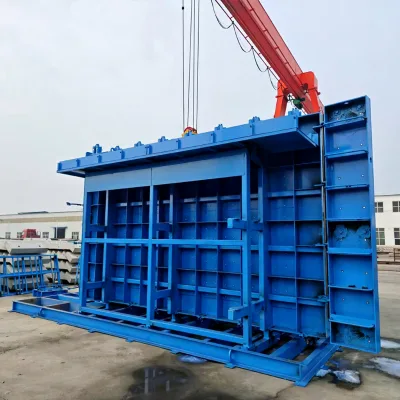
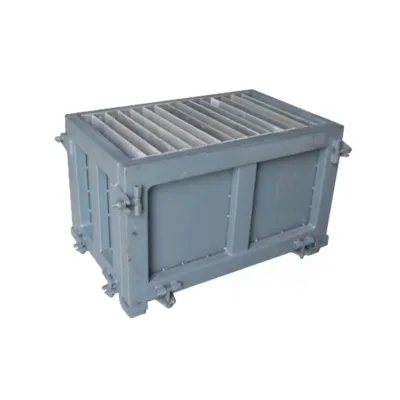
Comprehensive Sourcing Guide
Precast Wall Panel Mold Sourcing Guide
Buyers evaluating precast wall panel molds must first distinguish between machines designed for sandwich panels and those for solid panels, as the core technology differs significantly. The observed market data indicates that advanced units often feature a vertical and horizontal mold car system capable of producing both panel types within a single production line. This dual capability is a critical observation for facilities aiming to maximize output flexibility without investing in separate machinery for different wall configurations.
Procurement decisions should also account for the specific raw material compatibility required for the intended product mix. Available listings confirm that these systems are engineered to process cement, fly ash, EPS, sand, and water, which dictates the mixing and injection mechanisms needed. Buyers must verify that the mold design accommodates these specific material ratios to ensure the final wall panels meet the required structural integrity and insulation properties for their target construction projects.
Product Scope and Observed Listing Signals
The observed product listings reveal a wide price spectrum ranging from 200 to 385,000 USD, reflecting the vast difference between basic mold components and fully automated production lines. This variance suggests that buyers must clearly define whether they require a standalone mold car or a complete automated system with PLC control and motor integration. Understanding this distinction is essential to avoid budget overruns or under-specifying equipment that cannot meet the desired production capacity.
Listing signals also highlight that the minimum order quantity for these specialized machines is typically one unit, often specified as a single mold car. This low entry barrier allows smaller contractors to enter the market, yet it requires careful scrutiny of the included accessories and support services. Buyers should verify if the quoted price includes the full export-standard packaging and fumigation-free plywood trays necessary for safe international transport to their specific location.
Technical Specifications to Verify
Technical verification must begin with the physical dimensions of the wall panels the machine is designed to produce, as these vary significantly across models. Observed specifications indicate a wall panel width of 610mm with a thickness range of 75 to 300mm and lengths adjustable between 2440 and 3600mm. Buyers must confirm that the mold car dimensions, such as the 320 cm by 330 cm footprint, align with their factory floor space and the specific panel sizes required for their construction projects.
The automation level and core component quality are equally critical for long-term operational efficiency. Listings describe systems ranging from semi-automated to fully automated, often featuring PLCs and motors as core components. Buyers should inspect the screw design, noting that double-screw configurations are available, and verify the automatic grade to ensure the machine can maintain the high efficiency and energy-saving performance claimed in the product descriptions.
Compliance and Safety Documentation
Compliance verification requires checking for recognized international certifications such as ISO and CE, which are frequently cited in product attributes. These certifications are not merely marketing terms but indicate that the electrical and mechanical safety standards of the machine have been evaluated against specific regulatory frameworks. Buyers must request valid certification documents to ensure the equipment meets the safety requirements of their local jurisdiction before installation begins.
Safety documentation also extends to the operational protocols and the specific engineering expertise behind the machine design. The observed data notes that engineers with over 20 years of experience in wall panel production are often involved in the commissioning and training process. Procurement teams should ensure that the supplier provides comprehensive safety manuals and that the after-sales service includes on-site installation and commissioning to mitigate operational risks during the initial production phase.
Cost Drivers and Commercial Terms
Cost drivers in this sector are heavily influenced by the level of automation and the complexity of the mold car system. Machines offering vertical and horizontal mold capabilities with full automation command higher prices due to the inclusion of advanced PLCs and motors. Buyers should analyze whether the higher initial investment translates to the promised benefits of lower investment per unit and higher production capacity over the machine's lifecycle.
Commercial terms regarding delivery and payment are critical for supply chain planning, as observed lead times can vary between 30 and 45 days after deposit payment. The loading port is typically Qingdao, and the production time is often cited as 30 days, though some listings mention a 45-day delivery window. Buyers must clarify these timelines in the contract to align with their project schedules and ensure that the deposit payment terms do not create cash flow bottlenecks.
Supplier Qualification and Quality Control
Supplier qualification should focus on the manufacturer's history and physical production capacity, as these factors directly impact reliability. The observed data points to a factory established in 2008 with a significant warehouse area of 60,000 square meters located in Jinan City, Shandong Province. This long-standing operational history and substantial facility size suggest a mature manufacturing base capable of handling complex orders and providing consistent quality control.
Quality control is further reinforced by the supplier's commitment to after-sales support and spare part availability. Buyers should verify that the supplier offers a free spare part list and that engineers are available to travel to the buyer's factory for installation and worker training. This level of support is crucial for maintaining production continuity and ensuring that the machine operates at peak efficiency throughout its service life.
Long-Term Procurement Checks
Long-term procurement checks must include a review of the supplier's main market focus and their ability to serve international clients effectively. The observed data indicates a primary focus on domestic markets and the Middle East, which may influence the availability of specific technical support or spare parts in other regions. Buyers should assess whether the supplier has a proven track record of exporting to their specific region and can provide the necessary logistical support for long-term operations.
Finally, buyers must evaluate the sustainability of the production line and the availability of future upgrades or expansions. The machine's ability to produce both sandwich and solid panels using unique vertical mold car technology offers a strategic advantage for adapting to changing market demands. Procurement teams should ensure that the contract includes provisions for future maintenance, potential technology upgrades, and continued access to engineering expertise to protect the long-term value of the investment.
FAQs
What is the production capacity of the sandwich wall panel machine?
The production capacity is based on the specific production line configuration and mold car setup. The system supports both vertical and horizontal mold cars to produce sandwich and solid panels. This flexibility allows for high efficiency and lower investment costs for buyers seeking scalable manufacturing solutions.
Can the precast wall panel mold be customized for specific projects?
Yes, customization is available for the precast wall panel mold and production lines. Buyers can specify wall panel dimensions, such as lengths from 2440 to 3600mm and thicknesses from 75 to 300mm. The manufacturer offers OEM color options and tailored mold configurations to meet unique project requirements.
What certifications do the wall panel machines hold?
The wall panel machines hold ISO and CE certifications, ensuring compliance with international safety and quality standards. These certifications verify that the equipment meets rigorous manufacturing criteria. Buyers can rely on these documented standards when sourcing machinery for their construction material production facilities.
How long is the delivery time for the wall panel machine?
The delivery time is typically 45 days after receiving the deposit payment. Production time is approximately 30 days after deposit payment. The manufacturer provides free spare parts and engineer installation services to ensure smooth commissioning and operation of the machinery upon arrival at the buyer's factory.
What is the MOQ for the precast wall panel mold system?
The minimum order quantity is one mold car for the production system. This low MOQ allows buyers to start operations with a single unit. The system includes core components like PLC and motor, packed in export-standard packages suitable for 40FT container shipping from the Qingdao loading port.
What raw materials are used to make the wall panels?
The wall panels are made from cement, fly ash, EPS, sand, and water. These raw materials are processed using the automatic grade machinery to create durable sandwich or solid wall panels. The resulting panels are suitable for both internal and external applications in various construction projects.